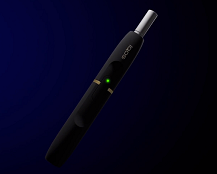

New Vape Mods 2016
February saw the release of several excellent new mods and a ton of ceramic-coil sporting sub ohm tanks, using the unique wicking material to produce atomizer heads that last for much, much longer without needing replacement than anything we’ve been using so far. Check out the full post to see what February brought us!
The e-cigarette industry is expected to generate annual sales of one billion dollars in the next few years. It’s still in its infancy as an industry, and there are several important organizations that will likely shape how electronic cigarettes come to develop. Prominent regulatory bodies and industry organizations will determine how the innovative technology will integrate into society, and these are our top five influential organizations in the industry. Much of the important work goes on behind closed doors, but these voices consistently pop up in the public domain.
We’ve spent plenty of time tackling anti-vaping myths since the site got started, but it isn’t just those opposed to vaping that often spout mistruths or plain misleading statements. In fact, there are quite a few pro-vaping myths that we should stop repeating if we want to be taken seriously.
E-Cig Technologies
The main improvements are likely to take the form of improved manufacturing processes – to keep things like the heavy metal content of vapor to an absolute minimum – but in some areas, e-cigs are still in need of some high-tech innovation. Here are the top five technologies we think e-cigs are missing.
October has seen the release of some great mods, including one from legendary manufacturer ProVape, and some notable dripping atomizers, RTAs and sub-ohm tanks, with plenty of innovative design decisions thrown into the mix along the way. So let’s look at what October had to bring.
Countries around the world are still grappling with what to do about e-cigarettes. Most are content with regulation – usually disproportionate to the likely risks of vaping – but some take things a lot further, even going so far as to completely ban the sale or even the use of e-cigs. So where is vaping banned? Where should you avoid taking your e-cigarette if you’re going on vacation?
E-Liquid in E-Cigarettes
Most of us are now well-versed with the 2009 FDA study that found a small amount (1%) of diethylene glycol, a toxic ingredient in anti-freeze, in 1 out of 18 cartridges from just two brands of electronic cigarettes. Not one study since then has found the chemical in any cartridges or liquids, suggesting that the device in question may have been contaminated.
HuffPost Live Post Debate About E-Cigs
The Huffington Post has uploaded a 24-minute video debate in response to Contra Costa County’s decision to ban vaping in no smoking areas. The move also means that any sellers have to obtain a tobacco retailer license in order to sell any e-cigs. This is a controversial move, since e-cigs are not smoking and release nowhere near the level of chemicals you’d find in a tobacco cigarette, but the fierce debate still rages on.
Logical Fallacies Anti E-Cig People
Spare a thought for the anti-vaping zealots, those who are opposed to e-cigarettes or tobacco in any form, who continually have to rely on similarly flawed arguments in order to make it look like they're maintaining a defensible position. Reading through anti-e-cig arguments is like taking a whistle-stop tour of logical fallacies, and here is our top 10 of the most common.
Us Air Force and E-Cigs
In the US Air Force, e-cigarettes are treated in exactly the same way as tobacco cigarettes. That means if any personnel want to reduce the harm they’re doing to themselves through their nicotine addiction, they aren’t allowed to unless they stand in designated areas with smokers, who are pumping in excess of 7,000 chemicals out into the air. The fact that the e-cigarette users are releasing primarily water vapor doesn't matter in the eyes of the Air Force, and as if this wasn't enough, the anti e-cig efforts they started in 2010 have been redoubled.